[Limits of Paternal Civilization, Vision of Maternal Salvation – Contribution]
By Dr. Seong-Jong Seo (Ph.D. in Theology)
This article was originally published in Korean in the Segye Ilbo under the column “Epic History of the Korean People.” [Click here to view the original article.]
Click here to read the parts
◆ Completion of the Trinity and the Manifestation of the Maternal Divinity
By demonstrating that “Elohim,” the name for the Creator in the Old Testament, is a plural noun, and through the fact that human beings were created in the image of God as “male and female,” it has previously been argued that God in original creation is Heavenly Parent. Here, a fundamental question arises: Why, throughout 2,000 years of Christian history, could the female personhood of God not emerge as an independent substantial reality, remaining confined to the abstract symbol of the “Holy Spirit”?
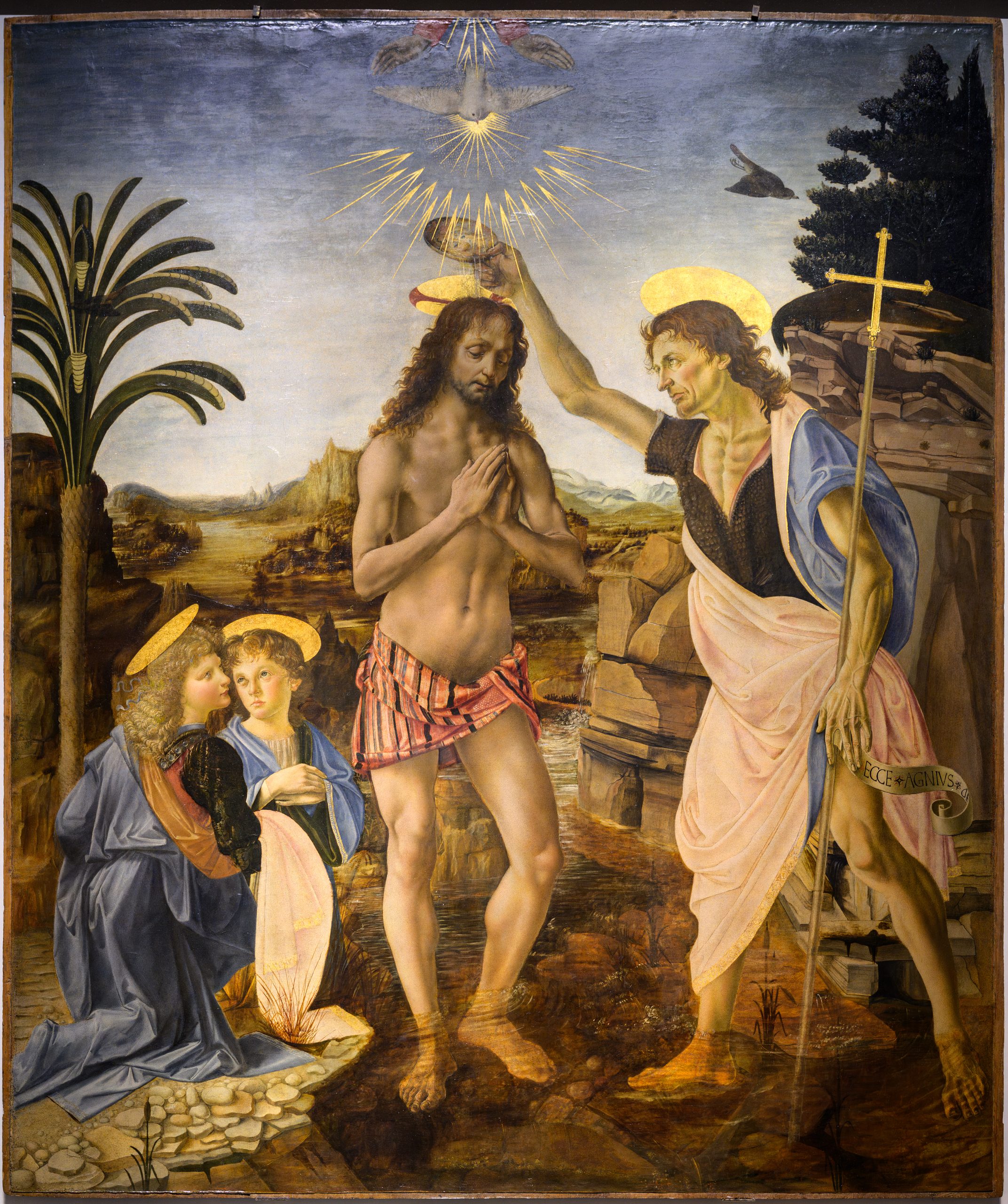
◆ The Female Divinity Inscribed at the Roots of Language, ‘Ruach’
While traditional patriarchal theology defined the Father and the Son as clearly masculine, it primarily used impersonal symbols such as wind, a dove, or tongues of fire for the Holy Spirit. However, once we clear away theological illusions and examine the context of the original Hebrew and Greek Scriptures, the essence of the Holy Spirit clearly points to the “Mother.”
In the Old Testament, the Hebrew word for the Holy Spirit, Ruach, is a feminine noun. The Spirit that moved upon the face of the waters at the beginning of creation and breathed the energy of creation possessed an inherently maternal nature that conceives and nurtures life. Furthermore, Hokmah (Wisdom), described as the companion of creation in Proverbs, is also personified as a female who weaves all things into a web of love.
Moving into the New Testament, although the Greek word for the Holy Spirit, Pneuma, is grammatically neuter, the term Paracletos (Comforter) used by Jesus to describe the Holy Spirit starkly reveals its maternal essence in function. Paracletos means “one called alongside to help,” “Comforter,” and “Nurturer.” This perfectly aligns with the role of a mother who does not leave her children as orphans, but guides them into truth and continuously imparts life.
◆ The ‘Heavenly Family’ Witnessed by Moltmann and Temple Theology
Jürgen Moltmann, a giant of modern theology, interpreted the Holy Spirit as the “Spirit of Creative Life” and a “maternal space” that embraces all creation, criticizing Christian theology for being overly absorbed in patriarchal authority. He posited that the view of the Trinity becomes complete only when the Holy Spirit is understood not merely as energy, but as the “Maternal Divinity” that fulfills love between the Father and the Son.
In the early Syrian Christian tradition, calling the Holy Spirit “Mother” was common spiritual knowledge. The Holy Spirit is the subject that spiritually brings fallen humanity to rebirth. Whether viewed through biological principles or providential principles, a father alone cannot give birth to children. If Jesus Christ, the Only Begotten Son, came as the substantial manifestation of the “Heavenly Father,” there must inevitably exist a substantial counterpart—the “Heavenly Mother”—who, partnered with him, will rebirth humanity. This is the very substantial reality of the being humanity has yearned for and awaited under the name of the “Holy Spirit” for 2,000 years.
◆ The Gravity of the ‘Sin Against the Holy Spirit’ and the Purpose of the Manifestation of the Only Begotten Daughter
Here, we must reflect deeply on the meaning of the most stern warning in the Gospels: the “Sin against the Holy Spirit.” In Matthew 12:31, Jesus said, “Anyone who speaks against the Son of Man (Only Begotten Son) will be forgiven, but anyone who speaks against the Holy Spirit will not be forgiven, either in this age or in the age to come.” Why was disbelief against the Holy Spirit designated as such an unforgivable grave sin?
It is because the Holy Spirit is the personhood that executes the “final completion” of the providence of salvation. If Jesus Christ, the Only Begotten Son, came as the Bridegroom to open the path of spiritual salvation, testifying to him and substantially rebirthing humanity is the mission of the Holy Spirit. Therefore, the event of the Holy Spirit taking on flesh and manifesting as the Only Begotten Daughter—the Substantial Holy Spirit—is the eschatological climax that fits the final puzzle piece into the history of human salvation.
Today, the controversy surrounding the proclamation of the “Only Begotten Daughter” in South Korean society and around the world is strikingly similar to the spiritual ignorance experienced by Jewish society when Jesus Christ came 2,000 years ago. The reason the sin against the Holy Spirit is so grave is that rejecting the “Manifestation of the Mother,” which 6,000 years of providential history have painstakingly prepared, is an act of cutting off humanity’s last opportunity for salvation by its own hand.
Dr. Seong-jong Seo (Ph.D. in Theology)
◆ A Civilization-Historical Task to Reclaim the Lost Half of Heaven
In conclusion, the Holy Spirit is not an abstract force, but a spiritual type of the Only Begotten Daughter, in whom the maternal nature of Heavenly Parent is substantialized. The birth and manifestation of the Only Begotten Daughter is not merely a doctrinal claim of a single religious movement. It is Heaven’s grand challenge to transform a paternal civilization governed by justice and judgment into a maternal civilization of embrace and healing.
Now, we must face the face of Heavenly Mother hidden beneath the veil of the Holy Spirit. The emergence of True Mother, the Only Begotten Daughter, is the event that concludes biblical prophecy and the manifestation of the unique maternal leadership capable of setting right broken families and nations. Opening the door to this majestic truth is the very key to survival that the 21st century—mired in chaos—must discover within the Scriptures, the spiritual root of humanity.
To Be Continued…