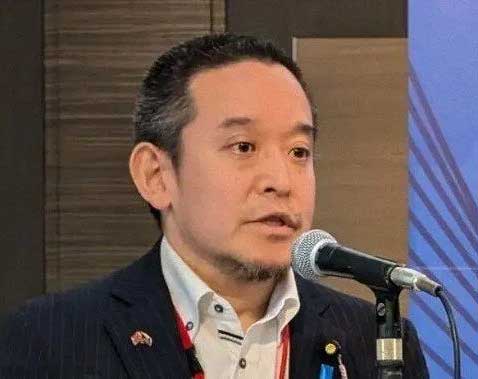
Japanese parliamentarian criticizes Fumio Kishida for succumbing to pressure from biased media against religious minorities, completely ignoring its views
Tokyo, 26th July 2024 – Published as the 15th article in a series in the Japanese newspaper Sekai Nippo. Republished with permission. Translated from Japanese. Original article
The persecution of religious organizations leaves a lasting stain on history
House of Councilors member Satoshi Hamada
by the Religious Freedom Investigative Team of the editorial department of Sekai Nippo
prepared by Knut Holdhus
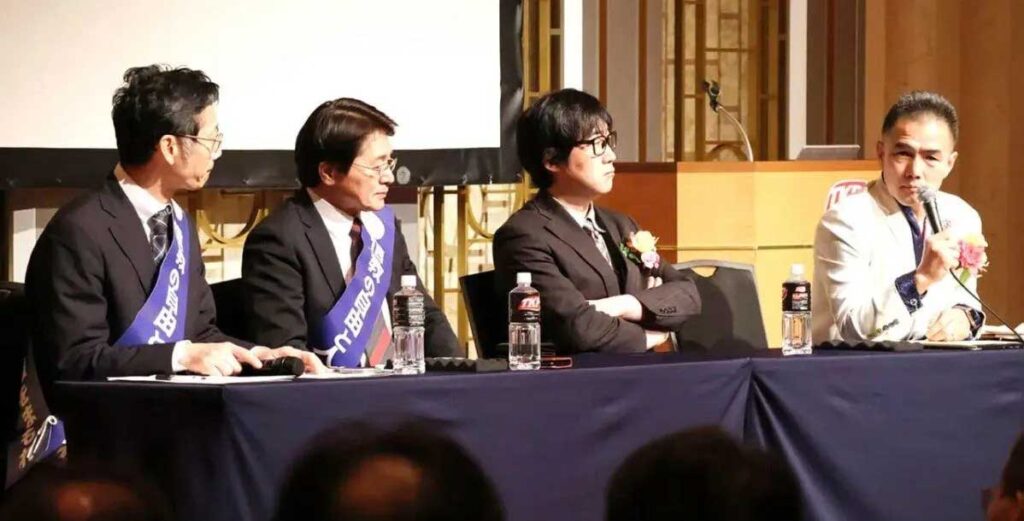
On 20th March this year, there was a symposium on religious freedom in Chiba City organized by members of the Family Federation for World Peace and Unification (formerly the Unification Church). Among the attendees was a member of parliament, Satoshi Hamada (浜田聡), from the “Party to Protect the People from NHK” (NHK Party).
Earlier that month, on the 12th, Hamada had asked during a session of the House of Councillors Committee on General Affairs whether it was inappropriate for members of parliament to attend meetings of the Family Federation, a group with which the Liberal Democratic Party had declared a severance of relations.
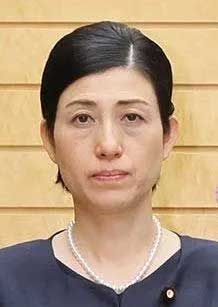
Akiko Honda (本田顕子), Vice-Minister of Education, Culture, Sports, Science and Technology, responded that she was not in a position to comment on the activities of individual members of parliament or their participation in meetings of specific groups. Hamada interpreted this as government approval to maintain relations with the group.
When Fumio Kishida, the president of the Liberal Democratic Party (and Prime Minister), declared in August 2022 that the party would sever ties with the Family Federation, this directive was communicated to local organizations as well. This had significant repercussions, and concerned Family Federation followers, who were worried about having their applications rejected in local assemblies, turned to Hamada as a last resort. They noticed Hamada due to his frequent YouTube broadcasts discussing the irregularities in government and local policies. Upon receiving their message, Hamada readily agreed to meet with them.
Subsequently, Hamada met with multiple followers, listened to their stories, and attended meetings organized by them. Through these interactions, he began to question whether the government and the Liberal Democratic Party‘s stance was excessively one-sided.
What surprised Hamada the most was the fact that over 4,000 Family Federation followers had been forcibly abducted and confined by professional “faith-breakers” (individuals who specialize in coercing people to leave religious groups), compelling them to renounce their faith. He had vaguely thought of the Family Federation as a problematic organization, but he came to realize that they were more often victims rather than perpetrators.
Despite these facts, Hamada questions why there are no members of parliament defending the Family Federation. On 22nd July 2024, he attended the “International Religious Freedom (IRF) Summit Asia” held in Tokyo and stated in his guest speech, “I think it is unfair that only the Family Federation is being oppressed. Out of 700 members of parliament, it is strange that not a single one addresses the issue of the Family Federation.”
In an interview with our newspaper, Hamada stated, “Considering the possibility that religious freedom could be unduly threatened by politicians distancing themselves en masse, I believe that politicians should now listen to the voices of Family Federation followers and take action.”
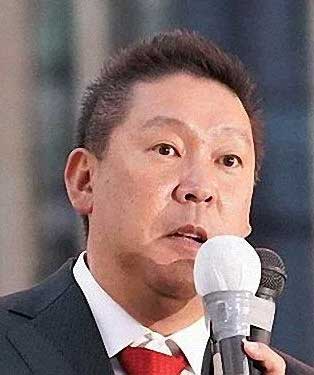
Takashi Tachibana (立花孝志), the leader of the NHK Party to which Hamada belongs, also shares the understanding that the government and the Liberal Democratic Party’s decision violates the freedom of religion guaranteed by the Constitution.
Hamada also questions the lack of transparency in the procedures for a dissolution order. During the 213th regular session of the National Diet (from 26th January to 23rd June), he submitted multiple written questions to the House of Councillors regarding the Family Federation, such as the legality of the dissolution order and issues related to abduction and confinement. However, to all those questions, he received virtually zero response.
On 18th June, during a symposium in Tokyo that examined the Kishida administration, Satoshi Hamada delivered a video message. He candidly expressed his impression, saying, “Regarding the dissolution order request, I felt it was like brute force, and I believe there were plenty of opportunities to reconsider it. However, I sense that Kishida succumbed to pressure from the media.”
Nevertheless, Hamada has no intention of backing down. He explained, “The government’s stance has already been decided, so what I can do is create a record that the issue has been raised in the Diet. The proceedings in the Diet are recorded in the minutes, and future historians will see that during this administration, unjust actions were taken against religious organizations. That is my intention behind my actions.”
Click here to read more on Religious Persecution
[Editor’s note on the meaning of headline “The persecution of religious organizations leaves a lasting stain on history”: Whether it’s the suppression of Buddhist practices in Japan during the Kamakura period (1185-1333) or the Christian persecution in the Edo era (1603-1868), these instances have been recorded and remembered as significant challenges to religious freedom. Similarly, in more recent times, actions against religious groups have continued to shape our understanding of this complex issue. It’s essential to recognize and learn from these historical events to ensure the protection of religious liberties today.]
Featured image above: Hamada Satoshi, born in Kyoto in 1977. After completing a graduate degree in education at the University of Tokyo Graduate School, he graduated from Kyoto University’s School of Medicine in 2011. After working as a radiologist, he ran in the proportional representation district of the July 2019 House of Councillors election as a candidate for the Party to Protect the People from NHK. Although he lost, he was elected in October of the same year after party leader Senator Tachibana Takashi lost his seat automatically due to his running in a by-election for the Saitama constituency of the House of Councillors. Photo: Sekai Nippo.