An interview with Mr. Peter Kim on Father’s Time in the Danbury Prison
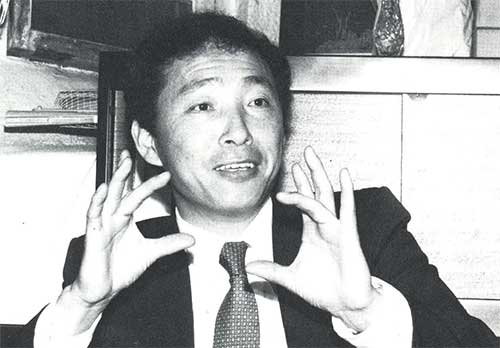
Mr. Peter Kim (Kim Ho-yul) joined the Unification Church in 1965. For two-and-a-half years he was a pioneer and church leader. In 1968 he transferred to the cultural department in Seoul as a magazine editor under Mr. Yoo Kwang-yol (who later founded the historical archives at Father’s instruction). Then in March 1970, True Mother asked him if he would come and work with the True Family, and he remained in that role for many years.
He says: “Being with Father and Mother and True Family is truly a privilege and a unique experience… Sometimes it’s very difficult for me to judge situations from the True Parents’ point of view because my knowledge and experience are so limited….Many times Father’s and Mother’s desire and ideals involve something much deeper than the reality that appears on the surface.”
Mr. Kim says that to develop the right understanding and approach, he needed to both pray and concentrate on his mission.
In this interview, to be serialized over the next few weeks, Peter Kim shares his observations of Father in prison. This testimony was written during Father’s incarceration in Danbury.
You were asked to make arrangements for visitors who want to meet with Father at Danbury. Can you describe your task there in more detail?
As an individual and also as a member of Unification Church I feel greatly responsible for Father’s incarceration. I have rented a small condominium right there in Danbury, and my main function is to control the visitors-both official and unofficial. Sometimes unofficial visitors come without telling me at all. For example, one member from England came there without telling anybody. He tried to cause some problem in the prison. When that kind of situation occurs the prison calls me up immediately, since they know I am there. I bring the visitors to my apartment and we talk. I help them to understand clearly what’s going on, what’s best for Father, and eventually they understand and go away.
Of course, official visitors—those who are on the visitors list—come, and I arrange appointments for them. I also coordinate for Mother and True Children to come whenever they want.
Are you in contact with the prison authorities?
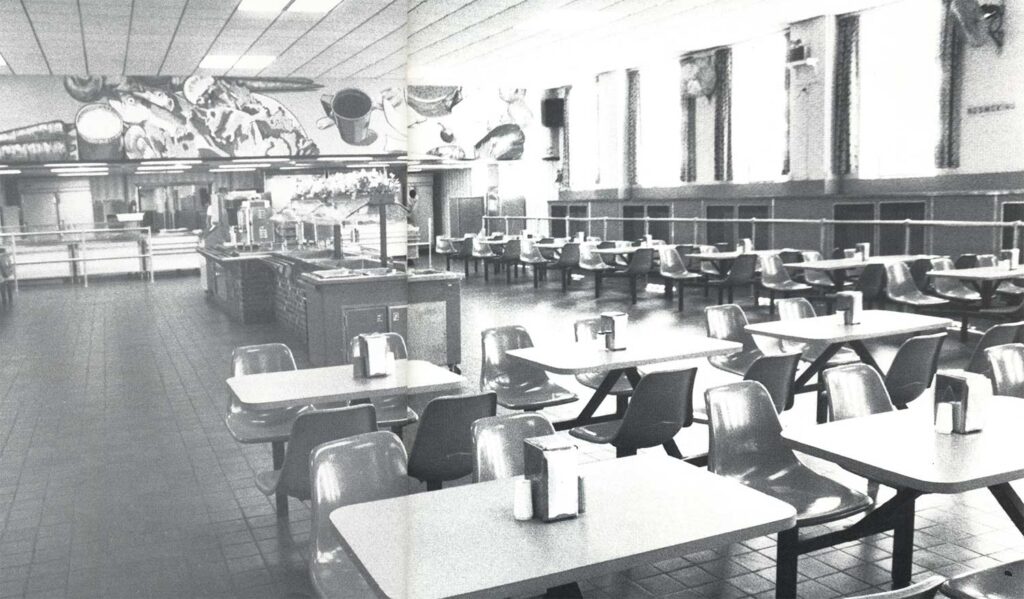
Yes, I deal with the prison authorities and officials a lot. But at the same time I feel I have another, internal, mission. I go up there five days a week. Tuesdays and Wednesdays are nonvisiting days. The visiting-room officers work on Saturday and Sunday because so many visitors can only come on week-ends, so the officers take off Tuesdays and Wednesdays instead. Five days a week I go up there and stay with Father from 8:30 to 3:30—the official visiting hours. Usually we stay through lunchtime, buy sandwiches from the vending machines, and share them together. Internally I consider it my mission to talk with those inmates who come out to the visiting room to meet their families and friends. The visiting room setup is just open like a restaurant, with chairs, desks and tables here and there. I’m concentrating on making friends with the people there because Father has to deal with them all the time.
I have been giving out Principle video tapes and Divine Principle books. In fact, one Divine Principle book was signed by Father for one inmate’s family.

So you give books to the visitors?
Yes, to the visitors. Inmates can’t take any material into the prison. By doing this I can talk with their families and spend time with them. If Mother is talking with Father I spend my time that way. I talk with whoever is sitting around the room. I also find out more about what’s going on in the prison that way, because as a visitor I can only hear Father and can only see the visiting room. But when I talk with these people they can give me more interesting stories and information. They are Americans and they know what’s really going on among those inmates. Father may not be able to hear well because they are not going to talk in front of him openly. But most inmates know a lot of things because they talk together.
Seeing Father in prison so often, what are your observations?
One basic thing I learned from many of the inmates is that Father has really humbled himself all the way to the bottom level. That’s the example he set there. Of course, the inmates each have different assignments. Father’s assignment as you know is setting up the tables, taking care of salt and pepper bottles and putting the napkins out and things like that. Father is very meticulous; he always cleans the table and whatever he does in his assignment is accurate and flawless. Also, he’s always on time and he does work hard, and by doing that he sets an example. As you may know, he said that when he serves these people by setting things on the tables he feels like he’s serving our members and all the people in the world. These prisoners represent a lower level of humankind—criminals. Serving these criminals is a condition through which Father serves all humankind. That’s his determination.
What was Father’s reaction toward the recent car accident in which two members died?
He received reports of the two members who died recently in that car accident in Florida and looked at the pictures of those members. Then he closed his eyes for maybe five minutes and was in really deep pain and agony. After that he prayed very hard. He just dropped everything. He said that because they were killed while on their missions they should be considered Unification Church martyrs. I just totally felt Father’s love and care at that moment. I have learned that point about Father, particularly through this period in prison—his sincere care and love for our members.
If Father knows somebody’s name or has some experience of living with him or her, he’s able to remember that person in depth and he can pray more about that person. He prays in general for all the members, but he particularly remembers those people he’s most concerned about. Father doesn’t want to remember somebody’s shortcomings or small mistakes; he always tries instead to remember a person’s good deeds or qualities. Whenever we talk about someone he immediately brings up their good points. Based on those good points he tries to characterize that person’s spiritual life, what way that person should go and which areas would be good for that person to develop.
Does Father have much interaction with his fellow inmates?
I think all of our members know that Father is a good pool player and a good ping-pong player. He plays pool and ping-pong often in the prison. But he doesn’t talk a lot with the inmates. Father doesn’t want to talk with people about small things. Mr. Kamiyama is there and sometimes acts as Father’s spokesman.
When Mother comes to visit, does Father talk with her all the time?
There is hardly any time for Mother to be alone with Father. Leaders like Col. Pak and Rev. Kwak come often. When there is time Father and Mother talk about their children a lot. During this time the children are gaining good experience because when they come and the leaders are not around, they occupy Father totally without any disturbance. Father gives them a lot of advice about how to deal with society, how important patience is when we deal with people, all kinds of internal guidance. Father is trying to train the children to adjust more to the world, for the sake of the future.
Continued next week.