In an interview, former second-generation member denounces outrageous claims by activists given ample space by media
Tokyo, 7th October 2024 – Published as the 30th article in a series in the Japanese newspaper Sekai Nippo. Republished with permission. Translated from Japanese. Original article
Feeling Uneasy about Being Labeled as “Victims” After Leaving the Faith
by the Religious Freedom Investigative Team of the editorial department of Sekai Nippo
Prepared by Knut Holdhus
“I felt that society was swirling with prejudice and discrimination against members and associates of the Family Federation. It didn’t seem normal at all, and although we’re a small voice, I want it to be heard.”
That’s what Ryosuke Kiyama (26, pseudonym), says. He lives in Tokyo and explains why he agreed to be interviewed. Kiyama is a “second-generation quitter” who left the faith of the religious organization. While he couldn’t talk about the circumstances leading to him quitting, he spoke seriously, saying, “I have lived forgetting that I was related to the church, but as the Family Federation has been targeted, I have no choice but to get involved.”
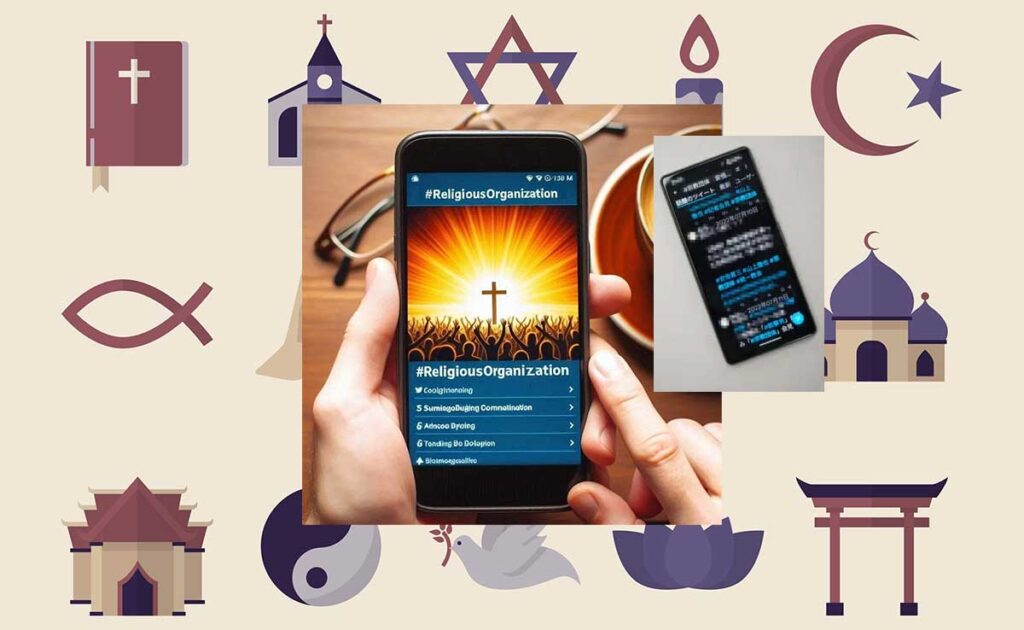
The assassination of former Prime Minister Shinzo Abe had a significant impact on Kiyama. When he heard about the incident and checked the online news, he came across the term “#ReligiousOrganization” among the hashtags. He said he felt a chill run down his spine.
Subsequently, the “former Unification Church” began being named directly in the reports. Imagining how both current and former believers would be treated by society from then on, he said, “It was a huge shock.”
The more the media reported critically about the Family Federation, calling it an “anti-social organization,” the more he feared he would be treated as a former member of an “anti-social group” and suffer disadvantages, even if he had left the faith. “The topic of the religious organization came up at work, and it was painful to listen to. I was worried about what would happen if I was found out,” he said, lowering his voice. The faces of his family and acquaintances who were second-generation believers also came to mind. He was so worried that they might be deeply hurt that he eventually developed insomnia and couldn’t go to work.
In fact, some of the second-generation believers he knew also experienced health issues or insomnia. He expressed concern, saying, “I often hear claims that even if the religious organization is dissolved, it won’t change much because it will only lose its status as a religious corporation, but I don’t think that’s all there is to it.”
What shocked him was the response from opposition party members, including those from the Constitutional Democratic Party (CDP). “Before the incident, I leaned somewhat toward liberal views and was somehow sympathetic to the arguments of the opposition parties.” However, he was disheartened to see politicians, who he thought prioritized human rights, labeling members of the Family Federation as “anti-Japanese” and sometimes mocking them as “tsubos” (“pots” – a derogatory reference to members of the former Unification Church selling marble vases).
Gradually, reports on “second-generation religious followers” increased, and those who had left the faith were seen as victims by the public. However, Kiyama is not satisfied with these reports. He explains, “The media has yet to address the complex positions and feelings held by the majority of second-generation religious followers.”
“Most second-generation members have family and friends within the church. Their positions cannot be simply categorized into pro-church or anti-church. Society might think they should vent their anger at the religious organization, but we have lived within it for a long time until we faded out. We inevitably concluded that there were both good and bad aspects. It is actually painful to vent all of our feelings on the religious organization.”
“What I hate the most is the lack of freedom,” he confessed, adding that lawyers and journalists often seen in the media argue that second-generation members are “mind-controlled”. The same lawyers and journalists “completely refuse to acknowledge the existence of second-generation members who have chosen to believe of their own free will. In fact, those lawyers and journalists argue that such believers shouldn’t be acknowledged, and that feels suffocating.”
If second-generation believers do not fit into the predefined role of “victim” created for them, society brands them as being “still on the church’s side” or “not having broken free from brainwashing”. Kiyama himself has experienced such treatment. He says with a deep sigh, “I know many second-generation members who have left the faith but still have good relationships with their parents, but I feel pressured to not even mention this.”
Click here to read more on Religious Persecution
Featured image above: Hashtag “#ReligiousOrganization” trending. After the assassination of former Prime Minister Shinzo Abe, the term “#ReligiousOrganization” (# 宗 教 団 体) trended on internet news in Japan.