Japanese cover-up scandal involving Kishida administration’s evidence destruction
Prepared by Knut Holdhus
The conservative Shukan Shincho, regarded as one of the most influential weekly magazines in Japan, published 20th August 2024 a story that could indeed escalate into a significant scandal with serious implications for Prime Minister Kishida and his administration. The story was headlined “‘Erase all traces of the former Unification Church!’ – Forced removal of logos – The Ministry of Foreign Affairs’ cover-up operation exposed regarding African Official Development Assistance [Exclusive]”
The magazine writes, “On August 14, Prime Minister Fumio Kishida (67) suddenly announced his decision not to run in the LDP presidential election, but it seems unlikely that he will be allowed to “escape” in this manner. It has now been revealed through the investigation by non-fiction writer Masaki Kubota and Shukan Shincho that the government had been blatantly engaged in ‘evidence destruction’. The stage for this was none other than the African continent.”
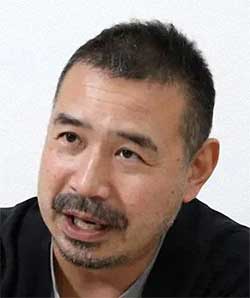
The article penned by award-winning author Kubota, links Kishida directly to the controversy that is exposed.
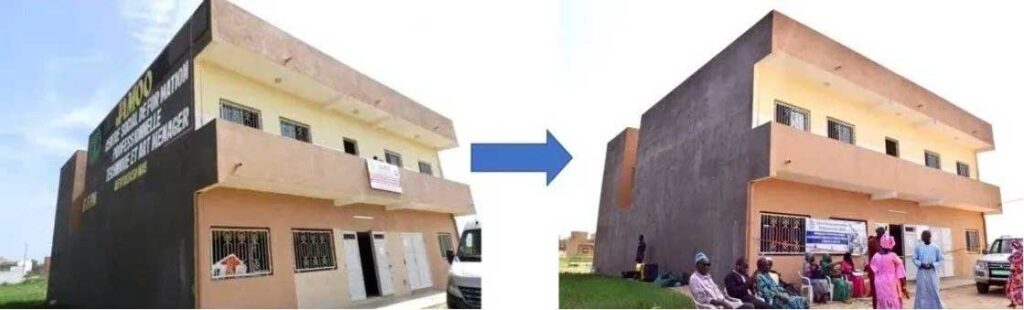
The Shukan Shincho report reveals a covert operation by the Japanese Ministry of Foreign Affairs to erase evidence linking a vocational training school in Senegal, JAMOO2, to the former Unification Church.
In April 2023, a section chief from the Ministry’s International Cooperation Bureau traveled to Dakar, Senegal, not for an inspection but to carry out “evidence destruction”. The school, JAMOO2, was built with Japan’s Grassroots Human Security Grant Aid, a form of Official Development Assistance (ODA). The controversy arose because the school displayed the logo of the Women’s Federation for World Peace (WFWP), an organization with the same founders as the former Unification Church, now called the Family Federation for World Peace and Unification, founded by Sun Myung Moon and Hak Ja Han, also known as Father and Mother Moon.
The principal of JAMOO2, Véronique Diop, testified that Japanese officials were coercive, demanding the removal of all logos to appease opposition and public opinion in Japan. They also insisted on changing the school’s phone number and email address to make it appear as a different institution. Ms. Diop complied out of fear of losing the school.
The issue gained political traction when a member of the Japanese Communist Party questioned the use of taxpayers’ money for a school displaying the WFWP logo. And it turns out that the Foreign Minister who approved the ODA for JAMOO2 was the current Prime Minister, Fumio Kishida. The Ministry of Foreign Affairs could not admit that the decision to provide Official Development Assistance (ODA) was a mistake, leading to the cover-up operation.
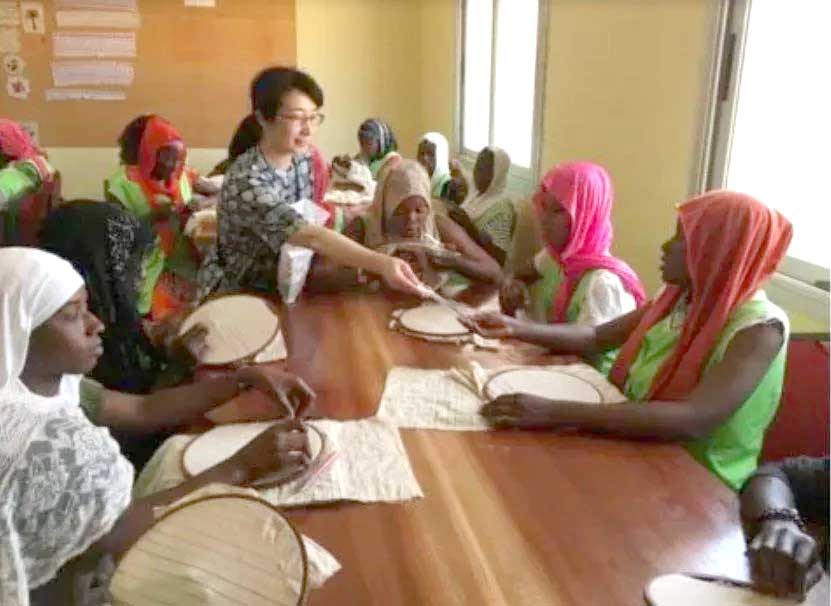
Ms. Diop’s NGO established JAMOO2, and although it was a private organization on paper, she was also the vice president of the local WFWP, hence the logo’s presence. The Ministry’s solution was to erase the WFWP logo, constructing a narrative that JAMOO2 had no connection with WFWP.
When questioned about the operation, the Ministry of Foreign Affairs stated that they were appropriately following up on the matter through the embassy and ministry visits. This response, however, did not address the core issue of evidence destruction and the coercive tactics used.
The article highlights the lengths to which the Japanese government went to cover up the connection between JAMOO2 and the former Unification Church, raising questions about transparency and accountability in the use of ODA funds.
The story could potentially be damaging for the Kishida administration. The allegations of “evidence destruction” involving a government official in a foreign country raise serious ethical and political concerns.
And the claim that the principal of the school felt coerced and had no choice but to comply could be seen as a violation of both ethical standards and international norms, potentially damaging Japan’s reputation abroad.
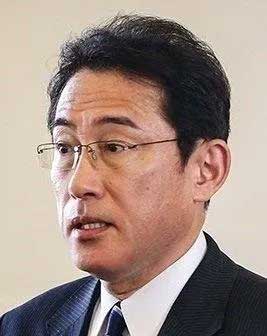
If these revelations gain traction, they could undermine public trust in the administration, particularly if the opposition parties use this as a basis to attack Prime Minister Kishida’s credibility.
The administration’s lack of transparency and the perception of trying to cover up a mistake could lead to broader political fallout, making this a significant risk for Kishida and his government.
The fact that Fumio Kishida was the foreign minister who approved the grant to the school in Senegal could be damaging for him now. This connection links him directly to the controversy and the obvious attempts to cover up the issue. The involvement of high-level officials in “evidence destruction” to avoid political fallout only heightens the potential for scandal, especially if it’s perceived that Kishida is trying to distance himself from the consequences of his earlier decision as foreign minister.
If the public or media perceives that Kishida’s administration is involved in a cover-up or that he is directly implicated, it could severely undermine his credibility and leadership, potentially affecting his political standing within Japan.
Given the involvement of a foreign country (Senegal), if international media or human rights organizations pick up the story, it could add pressure on the Japanese government and amplify the issue.
On 20th August 2024, the report was also published on Daily Shincho, a news site that has been publishing articles from Shukan Shincho since 2015.
Click here to read more on Religious Persecution
Featured image above: Jamoo2 Vocational School in Senegal, before and after the name and the WFWP logo were removed from the school building. Photo: Bitter Winter